Demolition Services — Soft Strip, Mechanical Demolition & Non-Licensed Asbestos Works
Safe Efficient &
Fully Controlled
Safe, efficient and fully compliant soft strip demolition across commercial, industrial and residential properties. JSR Contracts Limited pride ourselves on delivering demolition projects safely, efficiently and on schedule, while maintaining quality, health and safety, and environmental responsibility throughout.
Interior Soft
Stripping
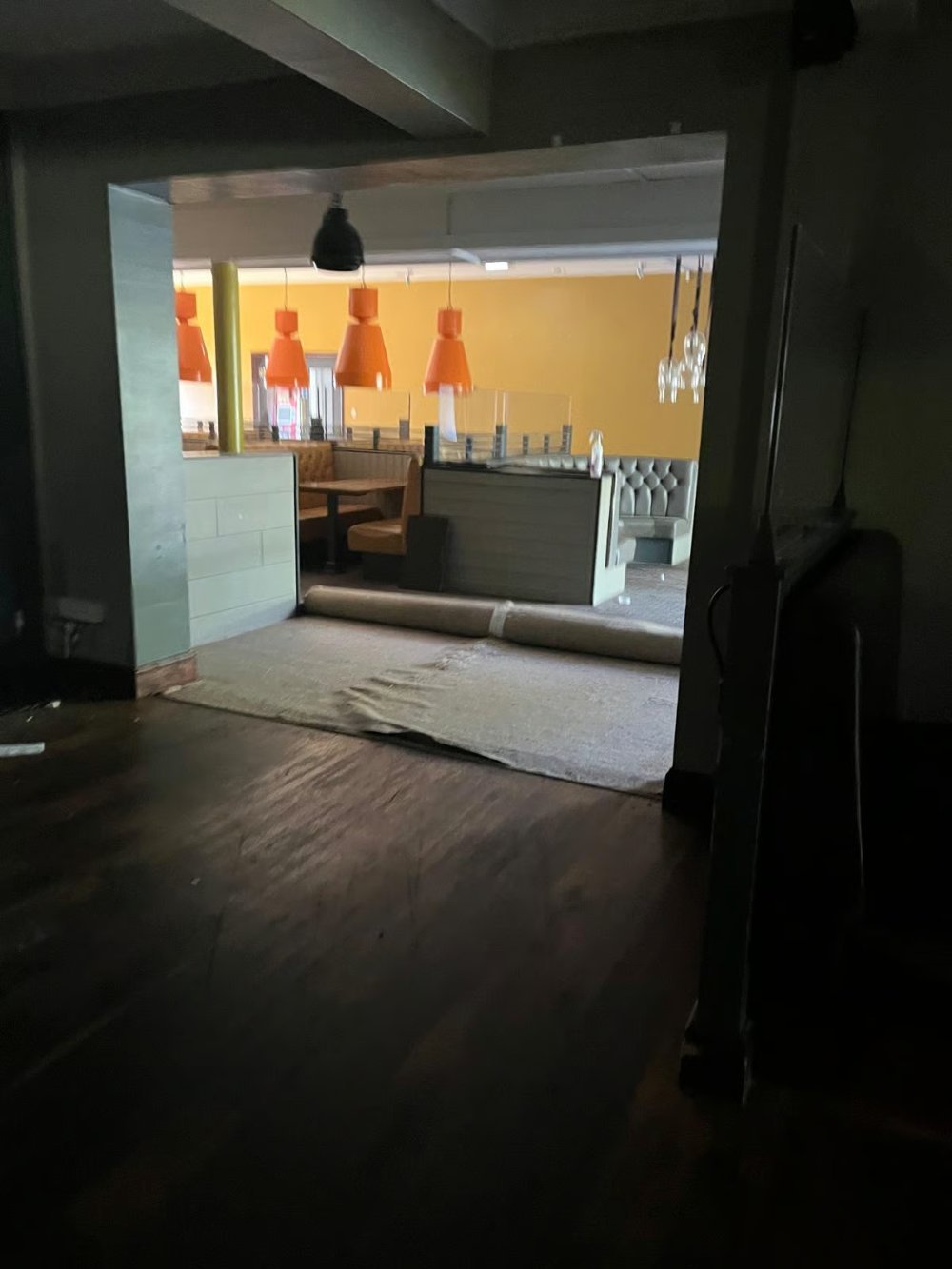
Interior soft stripping means carefully removing all non-structural elements from inside a building before refurbishment or demolition begins.
- Suspended ceilings, tiles & grid frameworks
- Insulation & associated fittings
- Doors, frames & ironmongery
- Windows & glazing
- Kitchens, bathrooms & sanitary ware
- Pipework, conduit & cable trays
- Containment systems
Exterior Soft
Stripping
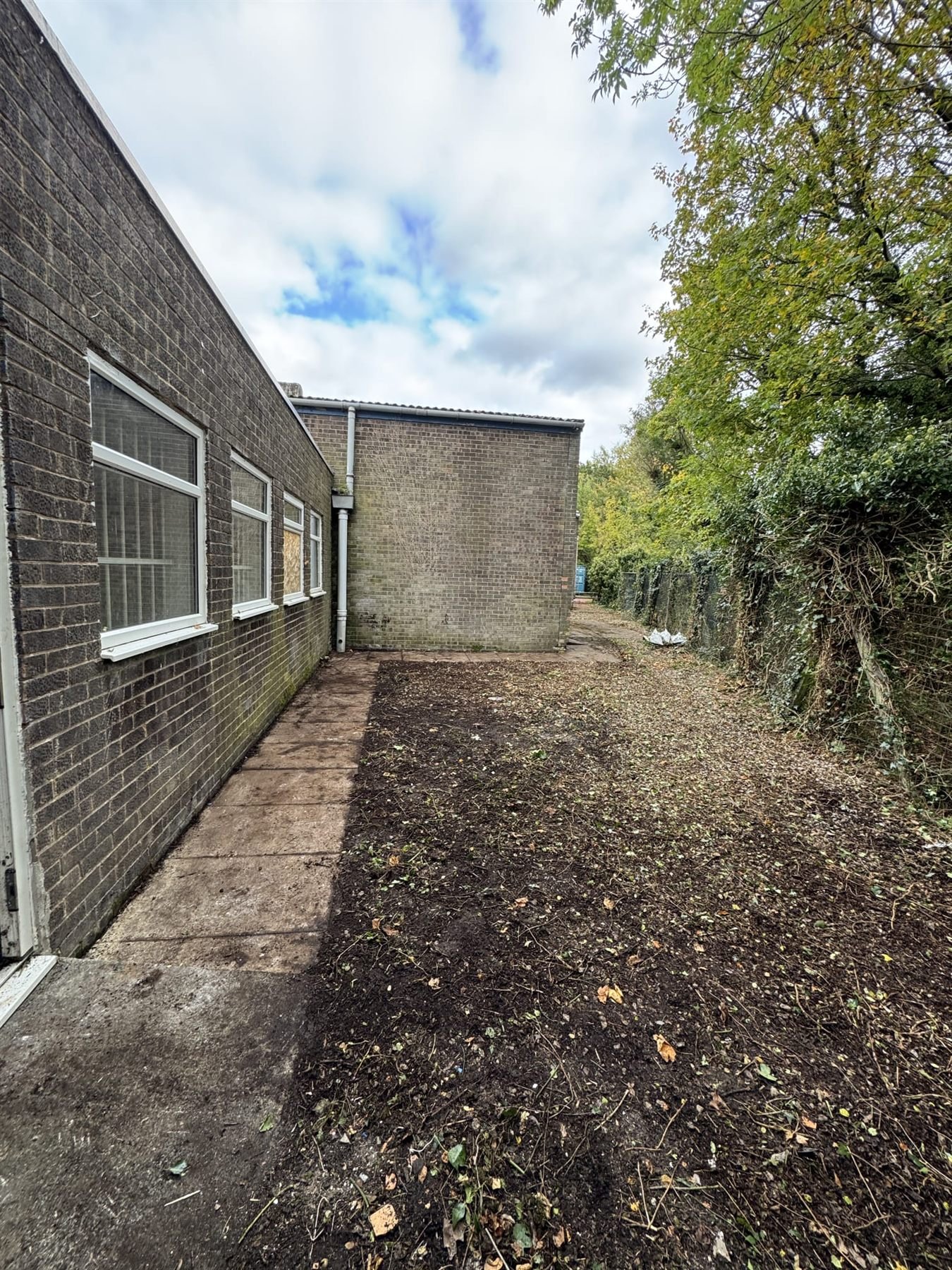
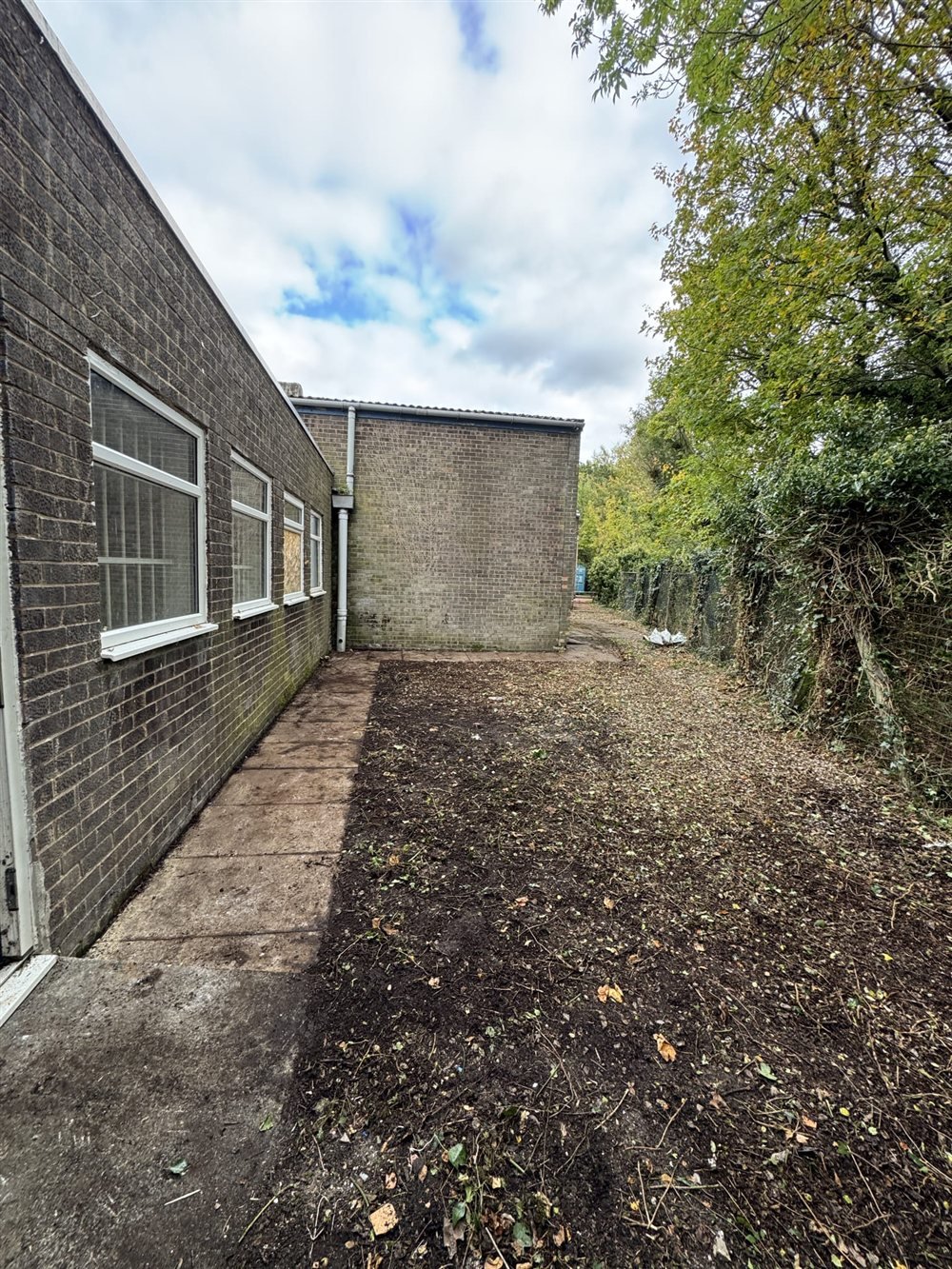
Careful removal of non-structural elements from the outside of a building, using the right tools and techniques for each material.
- External cladding & panel signs
- Windows, frames & glazing
- External doors & entrance features
- Garage & brick shed demolition
- External wall finishes & render
- External staircases & access features
- Chimney & concrete slab removal
Mechanical
Demolition
The use of specialist plant machinery and attachments to safely dismantle and remove structures.
Heavy Plant Machinery
Excavators, high-reach machines and loaders for large-scale dismantling.
High-Reach Demolition
High-reach excavators allow multi-storey structures to be removed from a controlled distance.
Specialist Attachments
Hydraulic shears, breakers, pulverisers and crushers.
Structural Dismantling
Carefully planned, controlled sequencing to remove structures safely.
Steel Structure Removal
Hydraulic shears and cutting attachments for specialist steel removal.
Residential Demolition
Housing developments, extensions and complete property removal, where applicable.
Non-Licensed
Asbestos Works
Non-licensed asbestos work involves the removal or handling of Non-Licensed Asbestos Works, where applicable and subject to appropriate assessment and UK requirements.
Assessment & Risk Control
Every project begins with understanding the materials involved and assessing the level of risk before any work takes place.
Asbestos Cement Products
Controlled removal of suitable Non-Licensed Asbestos materials, such as roofing sheets, panels and external materials.
Textured Coatings
Assistance with the controlled removal of certain non-licensed asbestos containing textured coatings, where applicable.
Garage Roofs & Outbuildings
Suitable Non-Licensed Asbestos containing structures commonly found in older garages and sheds.
Window Panels & Seals
Extraction of suitable non-licensed asbestos containing panels, seals and surrounding materials.
Roofing Accessories
Handling of suitable Non-Licensed Asbestos ridge caps, roof sheets and associated bonded materials.
Every Project Starts
With Safety
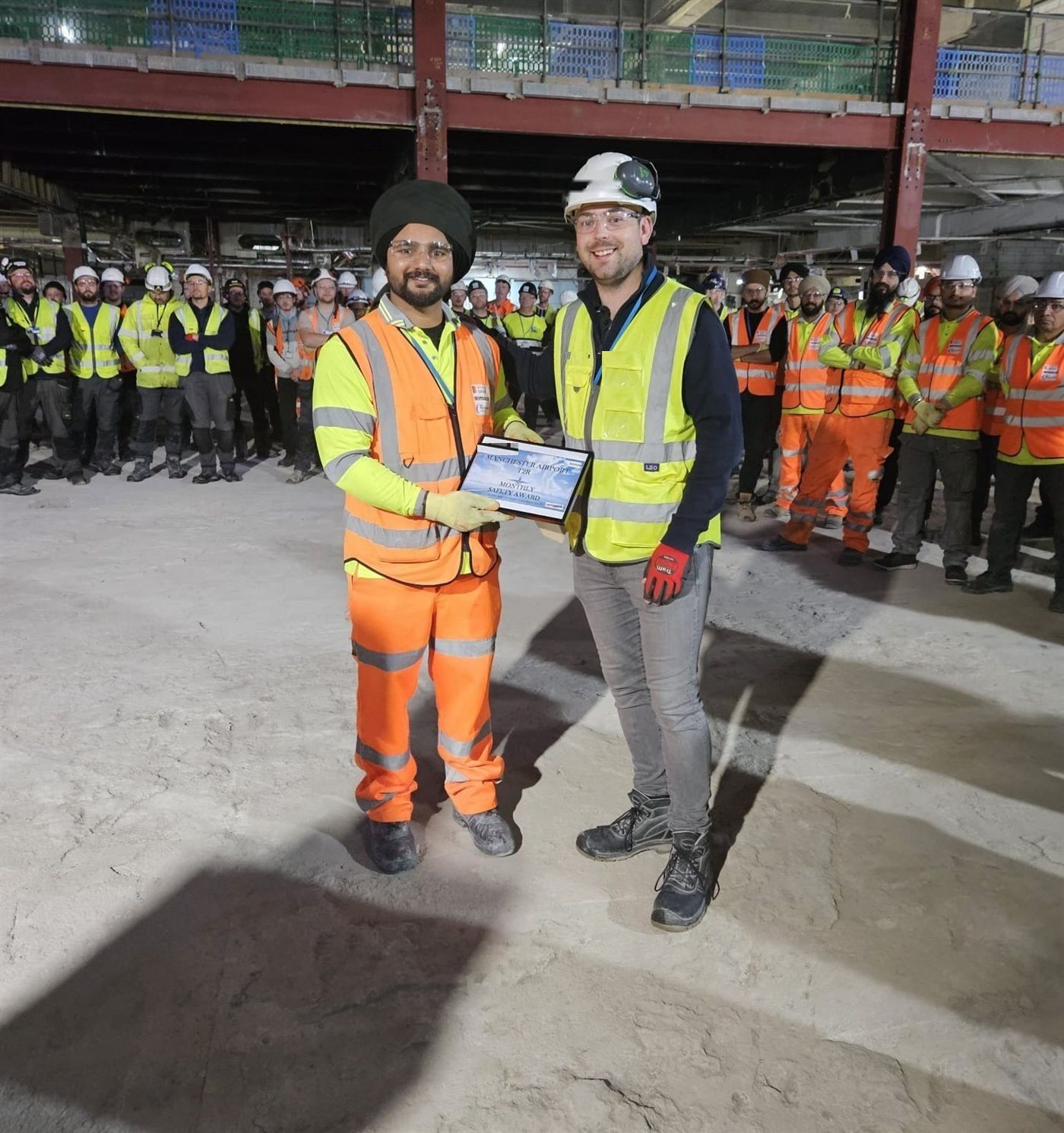
Risk Assessments and Method Statements (RAMS) identify potential hazards and outline the safe working procedures for every project before work begins. Regular site inspections are completed throughout every project to maintain high safety standards and ensure work is progressing safely and efficiently.
Identify
Potential hazards.
Site walkovers and pre-start reviews identify hazards specific to the structure, materials and surrounding environment before any work is planned.
Assess
Evaluate risk.
Each hazard is evaluated for likelihood and severity, establishing the level of risk and which control measures are required.
Control
Define appropriate controls.
Control measures are selected following the hierarchy of controls, from elimination and substitution through to PPE, to reduce risk to an acceptable level.
Communicate
Ensure teams understand safe working methods.
Toolbox talks and site briefings ensure every operative understands the RAMS before starting work, with sign-off recorded for each individual.
Review
Adapt to changing site conditions.
RAMS are reviewed and updated throughout the project as site conditions change, keeping controls relevant and effective at every stage.
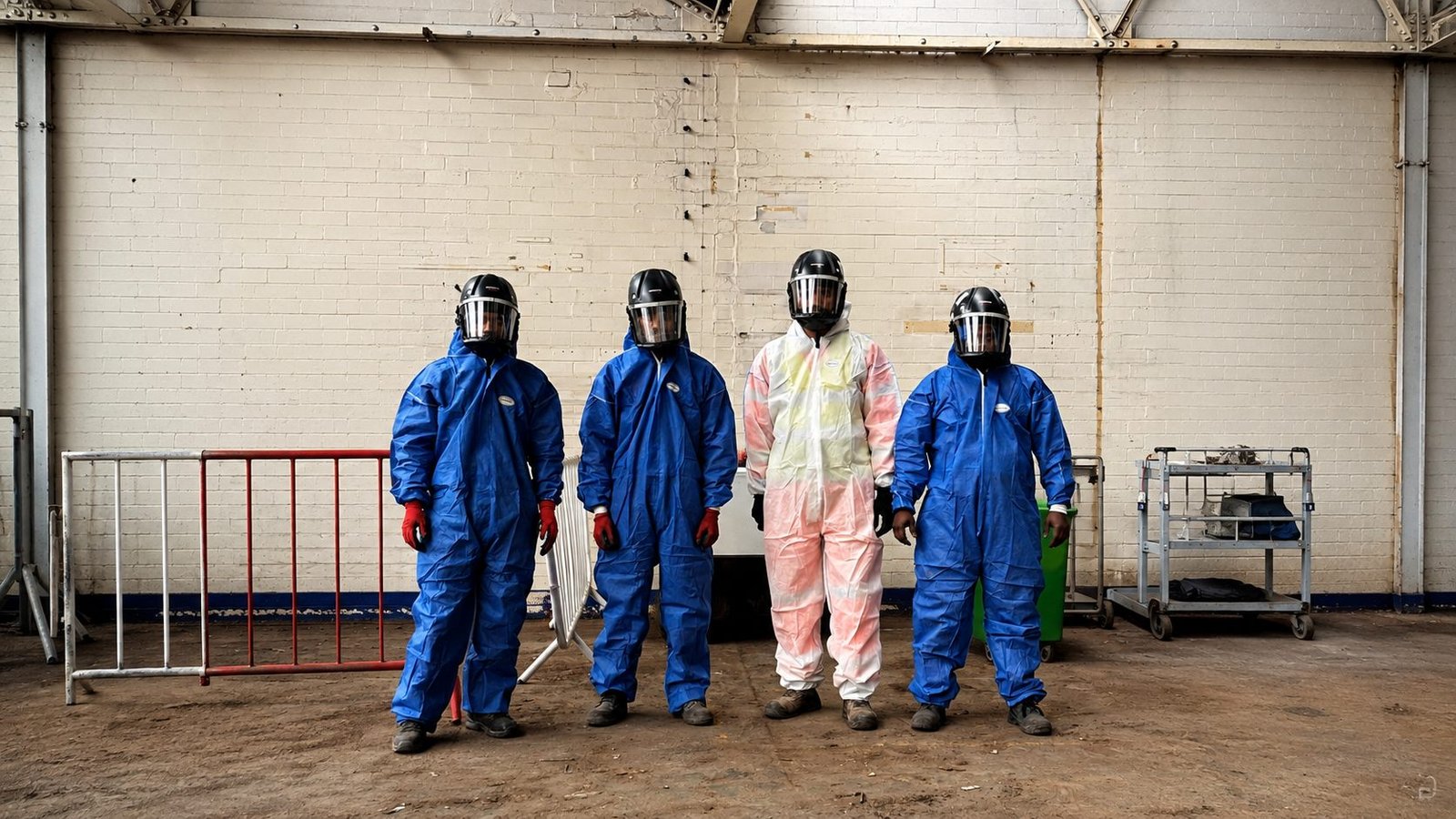
Protective Equipment
Additional protective equipment is worn as per each project's specific requirements.
Responsible
Waste Handling
Materials are segregated and, wherever possible, recovered for recycling. Demolition methods are chosen for efficiency and to minimise disruption, with waste handled and disposed of responsibly on every project.
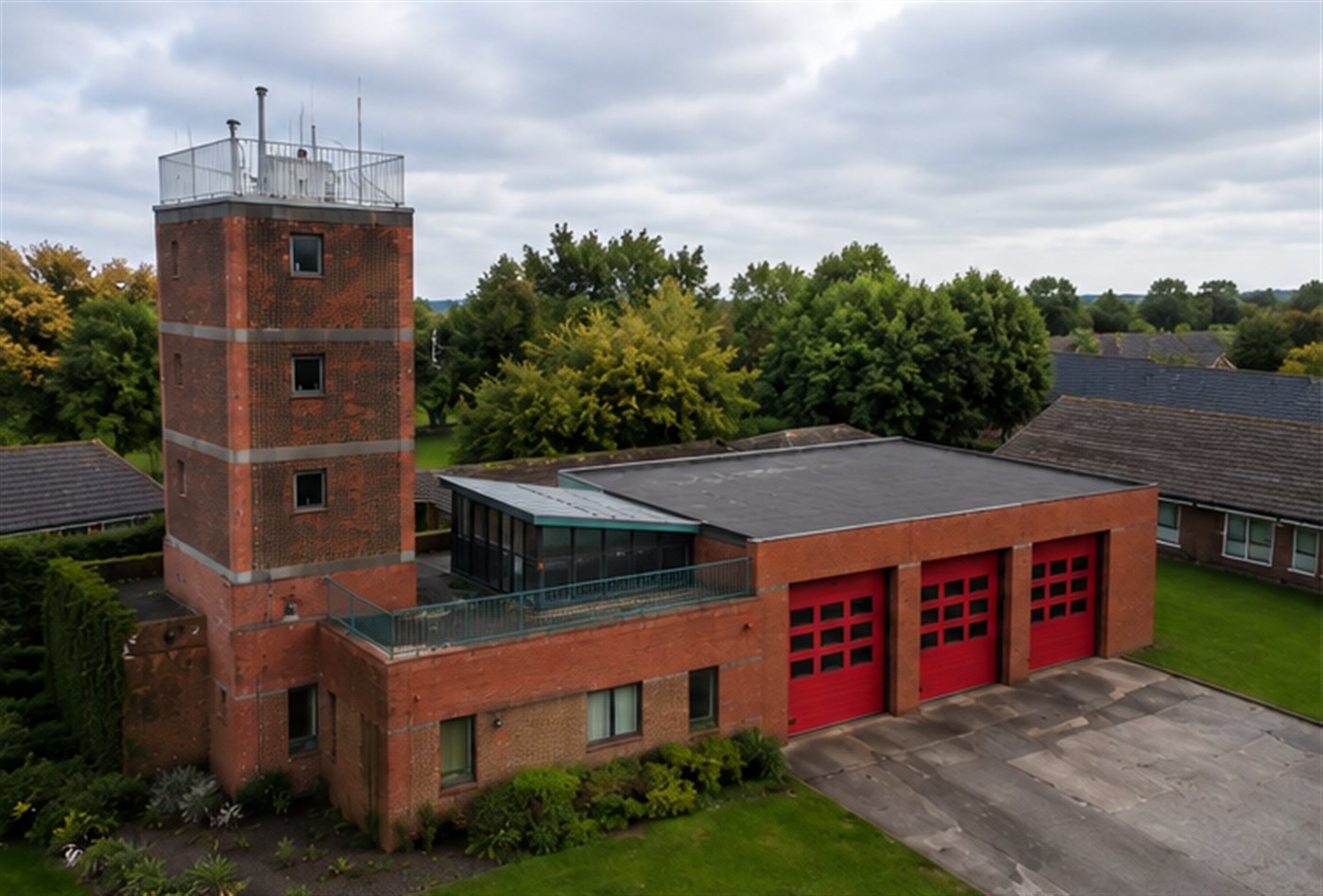
Demolition Projects
Questions, Answered
Soft strip demolition is the careful removal of all non-structural elements inside a building before refurbishment or demolition, allowing valuable materials to be recycled wherever possible.
Internal and external fixtures and fittings as appropriate to the project — ceilings, doors, windows, kitchens, bathrooms, pipework, cladding and more.
Controlled demolition using appropriate machinery and attachments, including excavators, high-reach machines, shears, breakers, pulverisers and crushers.
Risk Assessments and Method Statements documents that identify potential hazards and outline the safe working procedures for a project before work begins.
Hard hats, safety boots, gloves, eye protection and additional protective equipment as per each project's requirements.
Yes. Regular site inspections are completed throughout every project to maintain high safety standards and ensure work is progressing safely and efficiently.
JSR Contracts Limited carries out non-licensed asbestos work, the removal or handling of non-licensed asbestos materials, where applicable and subject to assessment and UK requirements.
Let's Discuss Your Next Project
Talk to our team about your next demolition project.